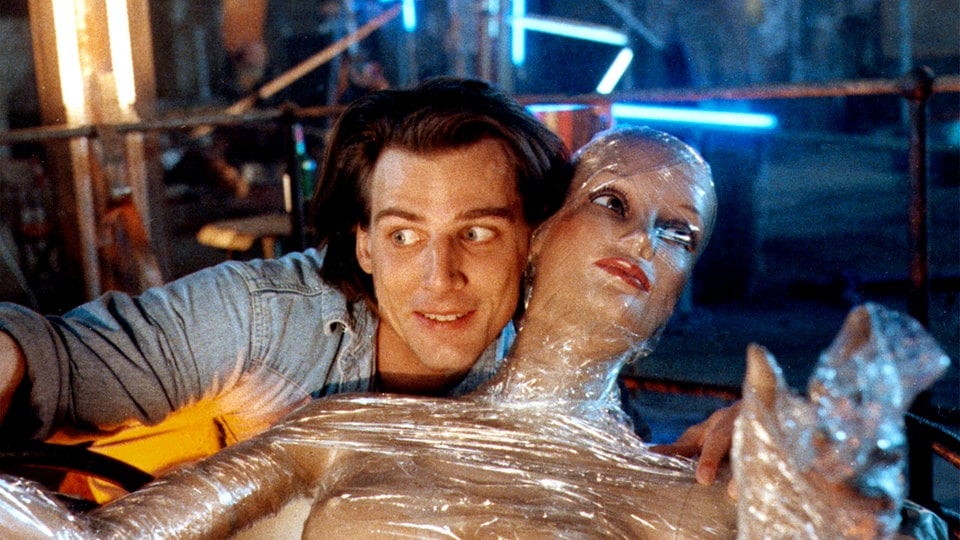
Mord im Atelier: "Heißkalte Liebe" Unravels Halle's Art Scandal
The world of German crime drama has long captivated audiences with its nuanced storytelling and compelling characters. Among its most revered institutions, Polizeiruf 110 stands out, particularly for its ability to transport viewers into the intricate moral landscapes of German society. One episode that continually resurfaces as a benchmark of excellence is "Heißkalte Liebe" (Hot-Cold Love). This classic installment from the iconic Halle detective duo, Herbert Schmücke and Herbert Schneider, is not merely a crime story; it’s a deep dive into the glittering yet morally fragile art scene, exposing the dark undercurrents of ambition, jealousy, and deceit.
Originally airing in an era when the careers of Jaecki Schwarz as Schmücke and Wolfgang Winkler as Schneider were just beginning to solidify, "Heißkalte Liebe" quickly established itself as a cornerstone of their legacy. Its recent re-broadcast on platforms like MDR, even years later, serves as a testament to its enduring appeal and its profound impact on the genre. For both long-time aficionados and newcomers to Polizeiruf Heisskalte Liebe, this episode offers a masterclass in suspense, psychological depth, and the methodical dismantling of a seemingly perfect facade.
Unveiling the "Heißkalte Liebe" Art Scandal: A Classic Re-run's Enduring Appeal
The allure of a classic re-run lies in its ability to transport us back to a pivotal moment, re-examining the narratives that shaped our understanding of television and storytelling. For fans of German crime fiction, the return of Polizeiruf 110 "Heißkalte Liebe": Schmücke & Schneider's Iconic Start on air brings a wave of nostalgia and a fresh opportunity to appreciate its groundbreaking nature. Set against the backdrop of Halle’s prestigious art academy, this episode immerses us in a world where creativity and passion intertwine with rivalry and betrayal.
At the heart of the scandal is the tragic death of Verena Weißenborn, a vibrant young art student whose life is cut short in a brutal manner. Portrayed by a then 28-year-old Mariella Ahrens, Verena's character, despite her limited screen time, leaves an indelible mark, serving as the catalyst for the entire complex investigation. Ahrens's powerful performance in this early role, as discussed in Heißkalte Liebe: Mariella Ahrens and the Pregnant Student's Murder, was a launchpad for her subsequent fame, highlighting the episode’s knack for showcasing emerging talent.
What makes "Heißkalte Liebe" particularly compelling is its unflinching gaze at the moral ambiguities of the art world. Far from a romanticized portrayal, it reveals an environment where ambition can curdle into jealousy and a lust for power can dismantle even the most cultivated surface. The episode masterfully demonstrates how these corrosive emotions, when unchecked, can lead to devastating consequences, making it a timeless exploration of human nature.
The Investigation Begins: A Pregnant Victim and a Scandalous Professor
The narrative of Polizeiruf Heisskalte Liebe opens with a chilling discovery: Verena Weißenborn found dead in her apartment, a sunlamp tossed into her bathtub, leaving no doubt about the violent nature of her demise. Dr. Klaus Piepe’s subsequent autopsy reveals an even more shocking detail – Verena was three months pregnant. This crucial piece of information immediately shifts the focus of the investigation, centering it on the search for the child’s father and a potential motive rooted in the most intimate of relationships.
The initial leads swiftly point to Professor Paulus, an esteemed academic with a notorious reputation for engaging in affairs with his students. The emergence of a professor as a prime suspect was, for its time, a bold and unconventional move in German crime television, setting this episode apart from many of its contemporaries. It challenged societal perceptions and brought an element of high-stakes scandal to the forefront. Detectives Schmücke and Schneider, in their nascent partnership, exhibit the iconic dynamic that would later define their careers: Schmücke, the empathetic and psychologically astute investigator, gently probing the emotional undercurrents, while Schneider, the more direct and distrustful, tackles the academic elite with skepticism.
As the investigation intensifies, the media, fueled by anonymous tips to a cunning journalist, quickly sensationalizes the scandal surrounding Professor Paulus. This media frenzy, rather than aiding the detectives, creates a smokescreen of public opinion, adding layers of complexity to an already intricate case. Amidst the swirling accusations, other potential suspects emerge, each with their own dark secrets and motives. Sabrina Pohl, a jealous fellow student, harbors resentment, while Verena's father, Peter Weißenborn, driven by grief and rage, harbors a deep-seated hatred for the professor, leading him down a path of desperate, violent acts.
Twists, Turns, and Tragic Misdirections: The Hunt for the Real Killer
The intricate plot of Polizeiruf Heisskalte Liebe is a masterclass in misdirection, constantly challenging both the characters and the audience to question their assumptions. The escalating drama takes a tragic turn when Peter Weißenborn, Verena's father, is caught setting fire to Professor Paulus’s car. Overwhelmed by the mounting evidence and the weight of suspicion, he tragically takes his own life in his prison cell, seemingly offering a convenient conclusion to the case.
However, the brilliance of Herbert Schmücke’s detective work shines through here. He refuses to be swayed by this apparent confession by suicide, sensing that there are deeper, more sinister truths lurking beneath the surface. Schmücke's steadfast commitment to justice, his ability to look beyond the obvious and follow the subtlest psychological trails, is what makes him such a compelling figure. This unwavering persistence leads him and Schneider away from the public spectacle and into the more obscured corners of the victims' lives, where true motives often hide.
Their relentless pursuit eventually leads them to Dirk Raabe, a seemingly innocuous fellow student whose initial composure masks a terrifying truth. In a gripping finale, Raabe is exposed not just as the murderer, but as an "ice-cold psychopath" – a revelation that sends shivers down the spine. This final twist underscores the episode’s thematic exploration of hidden darkness and the shocking capacity for brutality that can exist beneath an ordinary exterior. The unraveling of Raabe's carefully constructed facade is a testament to the methodical and often psychologically taxing nature of police work, especially when dealing with such deeply disturbed individuals.
Why "Heißkalte Liebe" Endures: Lessons from a German Crime Classic
Decades after its original broadcast, Polizeiruf Heisskalte Liebe continues to resonate deeply with audiences, solidifying its status as an enduring German crime classic. Its longevity is not merely due to nostalgia, but to a carefully crafted blend of compelling storytelling, complex characters, and a willingness to tackle uncomfortable truths.
The episode excels in several key areas that set a high standard for crime dramas:
- Psychological Depth: It delves into the motivations of its characters with nuance, exploring jealousy, power dynamics, and societal pressures rather than relying on simplistic villainy.
- Iconic Duo: The interplay between Schmücke and Schneider, with their contrasting styles, provides both dramatic tension and a believable partnership that grounds the fantastical elements of crime.
- Social Commentary: By placing the crime within the morally ambiguous art world and involving a scandalous professor, the episode offers keen insights into academic power structures and media sensationalism, themes that remain relevant today.
- Unpredictable Plot: The numerous twists and turns, especially the misdirection involving the father's suicide, keep viewers guessing until the very end, demonstrating excellent scriptwriting.
For aspiring writers and producers of modern crime dramas, "Heißkalte Liebe" offers invaluable lessons: prioritize character development over gratuitous action, allow for psychological complexity in both victims and perpetrators, and use crime as a lens to examine broader societal issues. The success of Polizeiruf 110, particularly episodes like this, highlights the enduring appeal of regionally focused crime stories that authentically capture the essence of their setting, offering a unique flavor distinct from globalized narratives. Furthermore, the episode's stellar ensemble cast, many of whom were at pivotal points in their careers, contributed significantly to its memorable impact.
In conclusion, Polizeiruf Heisskalte Liebe is far more than just a crime story; it’s a benchmark in German television, a gripping psychological thriller that holds a mirror to the dark corners of human ambition and desire. Its masterful plot, the unforgettable performances, and the iconic detective duo of Schmücke and Schneider ensure its place in the pantheon of crime drama classics. For anyone seeking to understand the enduring appeal of German crime fiction, revisiting or discovering this episode is an absolute must, promising an experience that is both intellectually stimulating and profoundly entertaining.